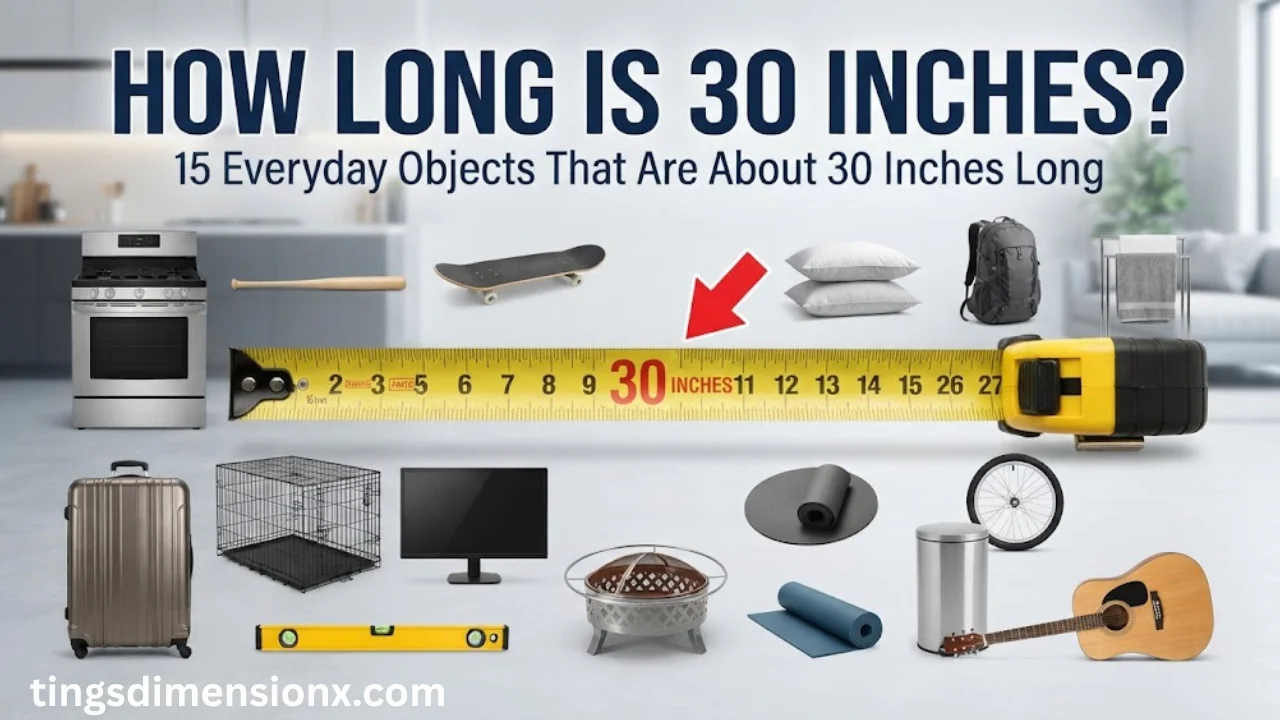
30 inches equals 2.5 feet, or 76.2 centimeters, based on the exact conversion factor set by the National Institute of Standards and Technology (NIST): 1 inch = 2.54 cm. That single fact solves most of the confusion around this measurement.
But a number on a screen doesn’t tell you what How long is 30 inches actually looks like next to your body, your kitchen, or your car trunk. This guide fixes that. Below, you’ll find the exact conversions, a simple way to picture the size, and 15 real objects that are about 30 inches long — the same references designers, builders, and retailers already rely on.
Table of Contents
How Long Is 30 Inches in Feet, Centimeters, and Other Units?
Here’s the fast answer: 30 inches is 2.5 feet. Divide 30 by 12 (the number of inches in a foot), and you get 2.5 — exactly halfway between 2 feet and 3 feet.
| Unit | 30 Inches Equals |
|---|---|
| Millimeters | 762 mm |
| Centimeters | 76.2 cm |
| Meters | 0.762 m |
| Feet | 2.5 ft |
| Yards | 0.833 yd |
Is 30 inches 5 feet? No. This is a common mix-up. 5 feet equals 60 inches — double the length of 30 inches. People confuse the two because both numbers show up often in height and furniture specs, but 30 inches is only half of 5 feet.
How Big Is 30 Inches Visually?
30 inches is roughly the distance from an adult’s hip to mid-thigh, or from the floor to just below the waist for someone of average height. It’s also close to the arm span from your mid-chest to your fingertips when you stretch one arm straight out.
Here’s a fast way to picture it without a tape measure:
- Two and a half standard rulers placed end to end (each ruler is 12 inches)
- Five one-dollar bills lined up in a row (each bill is about 6 inches)
- One long adult walking stride, heel to heel
Once you connect the number to something physical, it stops being an abstract figure and becomes a size you can spot instantly.
15 Everyday Objects That Are About 30 Inches Long
These objects show up in U.S. homes, garages, and stores every day. Each one gives you a different, reliable mental ruler.
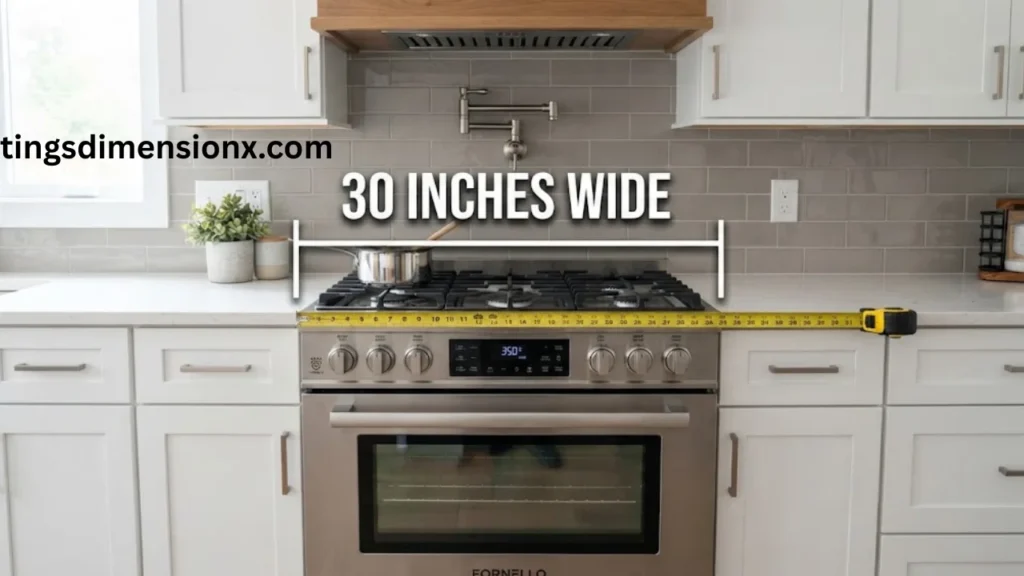
Kitchen stove width — Nearly every freestanding range sold in the U.S. measures 30 inches wide, a size standardized so cabinet makers can plan kitchens around it.
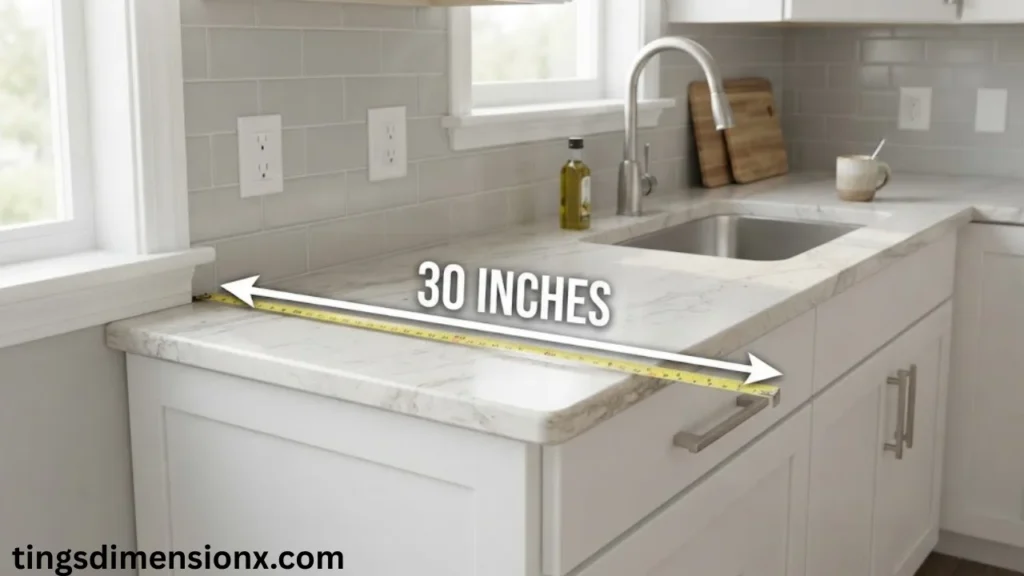
Kitchen countertop depth — Most countertops extend 25 to 30 inches from the wall, with 30 inches being the most common residential depth for comfortable food prep.
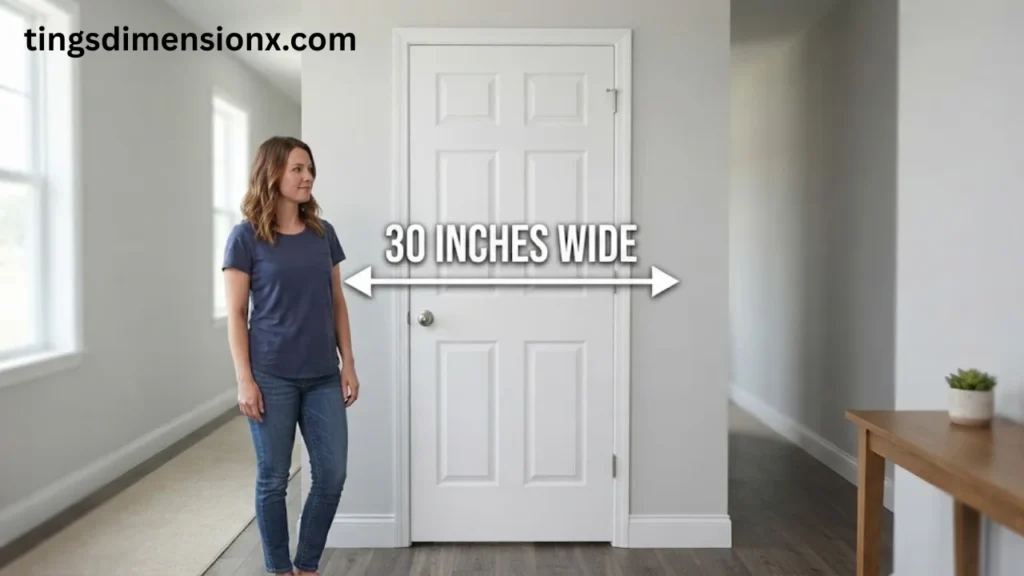
Interior door width — U.S. building codes commonly set 30 inches as the minimum width for interior doors like bedrooms and closets, while front doors run wider at 36 inches.
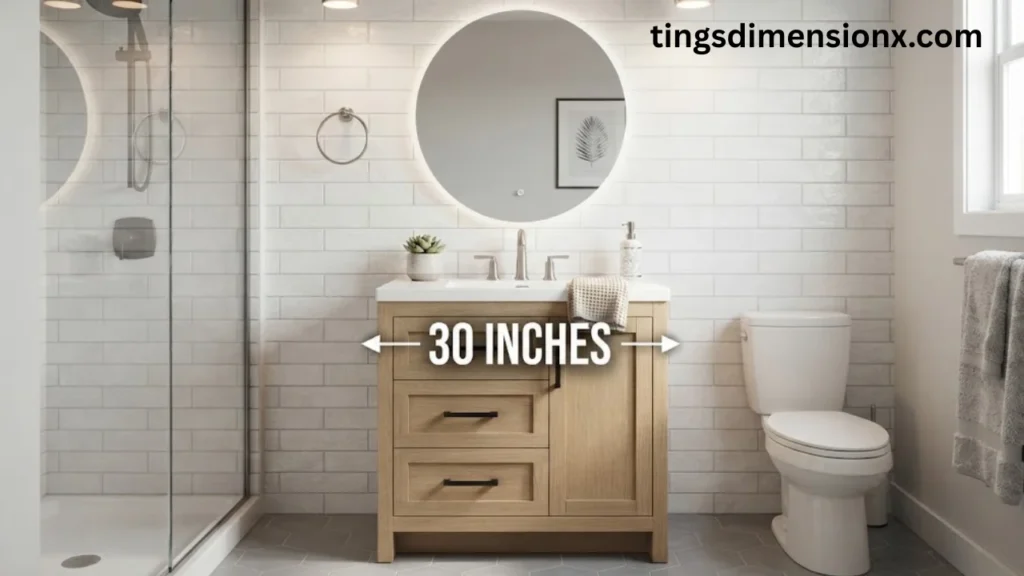
Bathroom vanity — A 30-inch vanity is one of the most popular pre-built sizes for small and mid-size bathrooms, offering counter and drawer space without crowding the room.
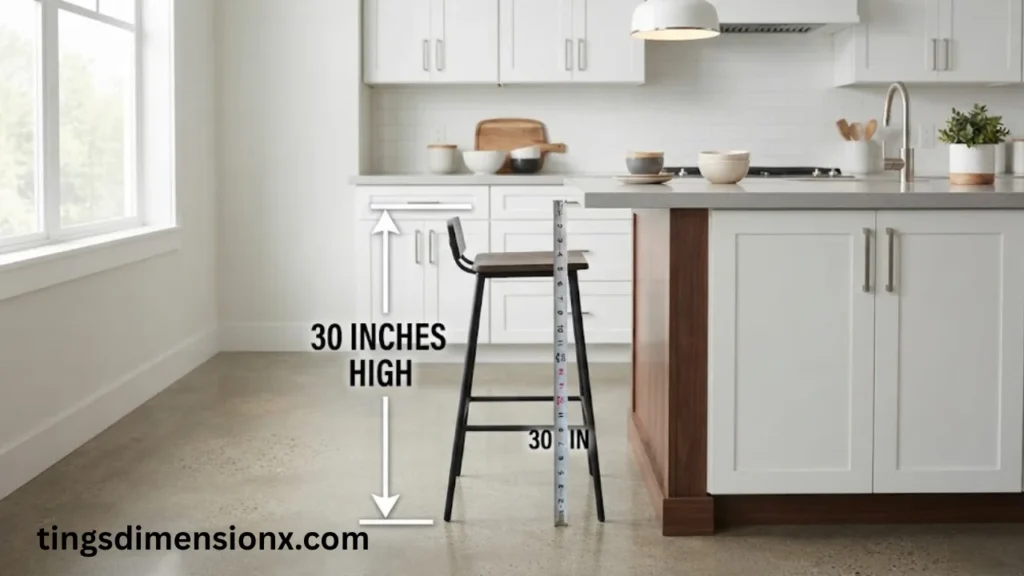
Bar stool seat height — Seats built for true bar-height counters sit 30 inches off the floor, pairing with 42-inch bar tops to leave proper legroom.
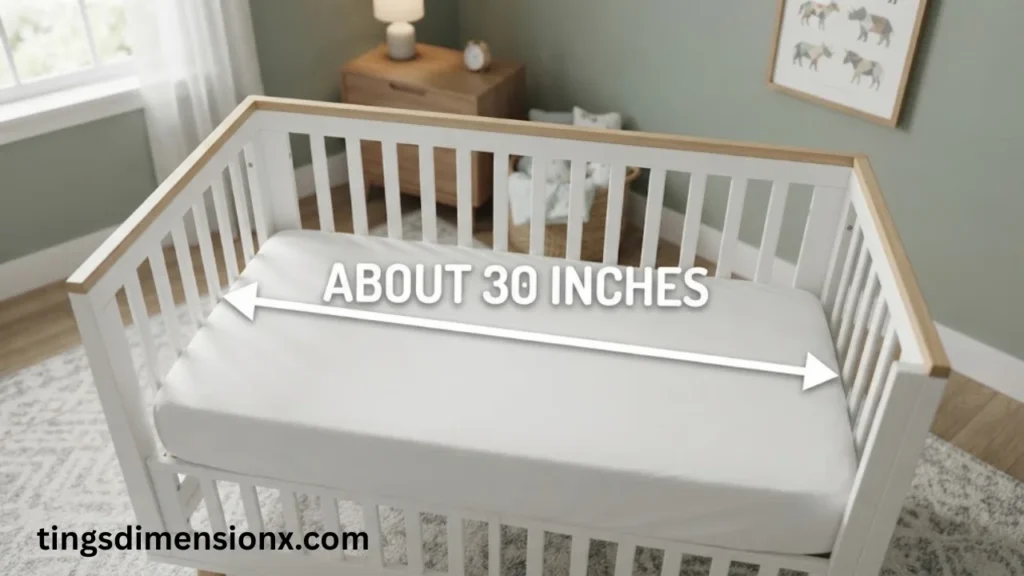
Baby crib interior width — Regulated cribs measure 28 to 30 inches wide inside the rails, a size fixed by U.S. safety standards.
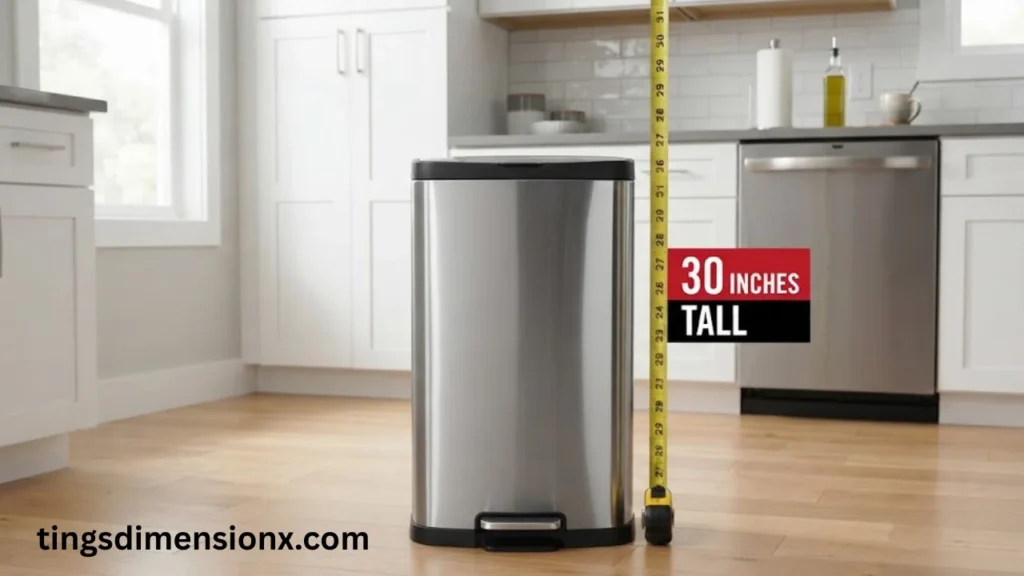
Kitchen trash can — Tall, pedal-style trash cans, especially 13-gallon steel models, typically stand around 30 inches high.
Must visit: How Long Is 24 Inches? 18 Everyday Objects That Are About 24 Inches Long
Large check-in suitcase — The biggest bag most airlines allow, including wheels, often measures close to 30 inches tall, built to the industry’s linear inch limit (height + width + depth).

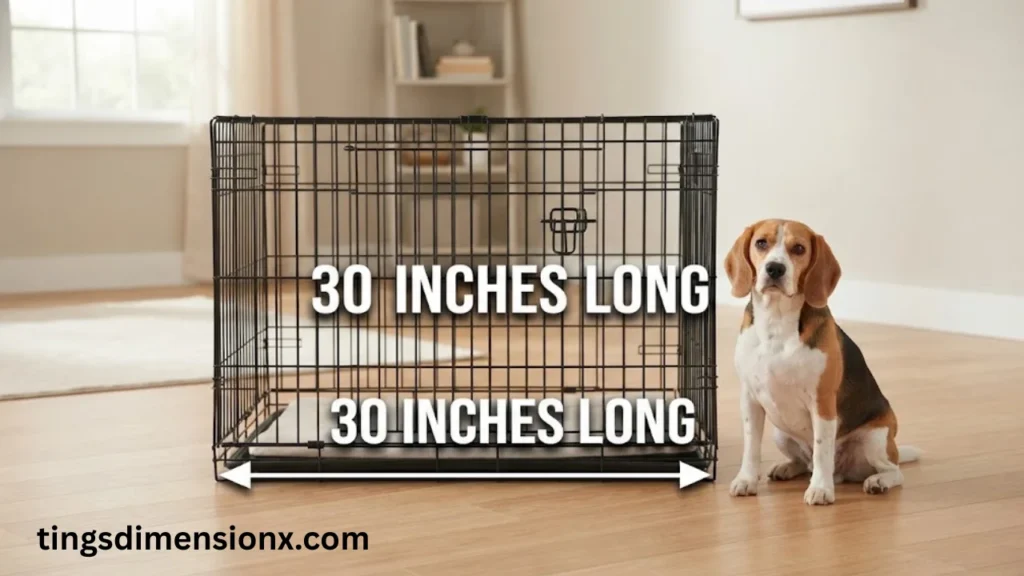
Medium dog crate — Pet crate makers label the 30-inch length as “Medium,” fitting breeds like Beagles and French Bulldogs.
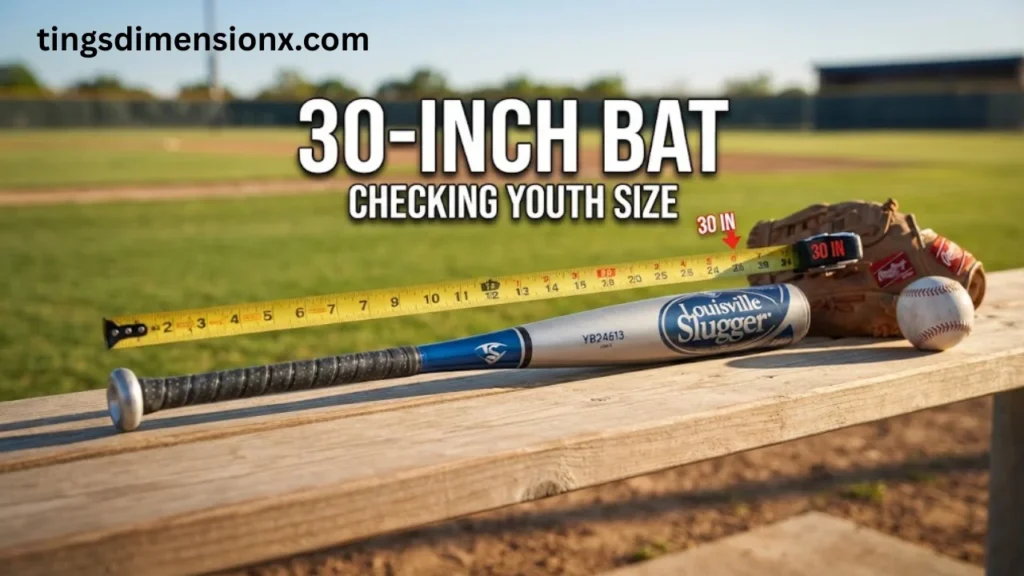
Youth baseball bat — A 30-inch bat suits players roughly 4’9″ to 5’2″ tall, a common size in youth leagues before players move to adult 32–34-inch bats.
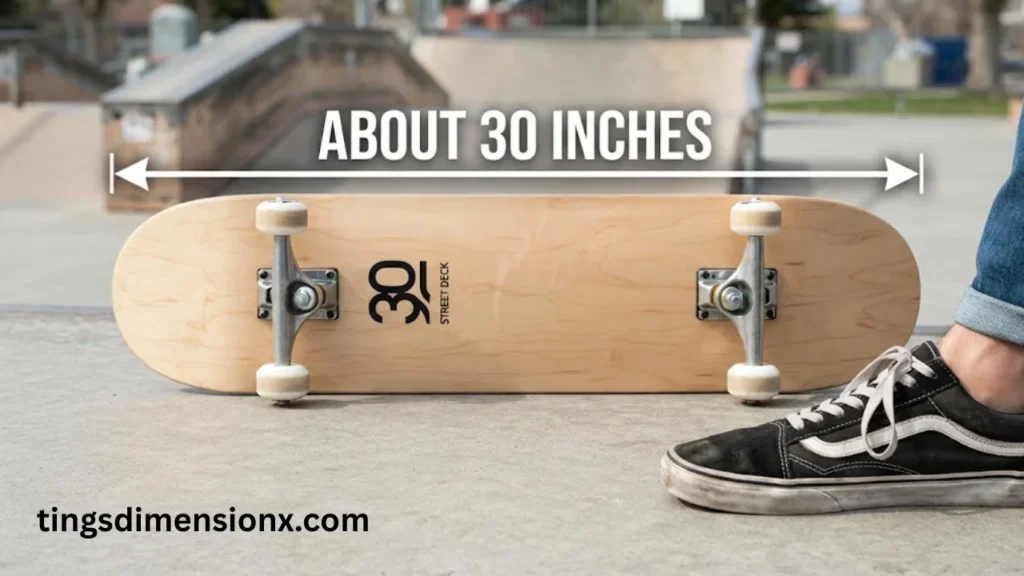
Standard skateboard deck — Street decks commonly run 28 to 32 inches, with 30 inches sitting right in the sweet spot for balance and control.
Youth hockey stick — Sticks built for ages 9–11 measure close to 30 inches in shaft length, before the blade is added.

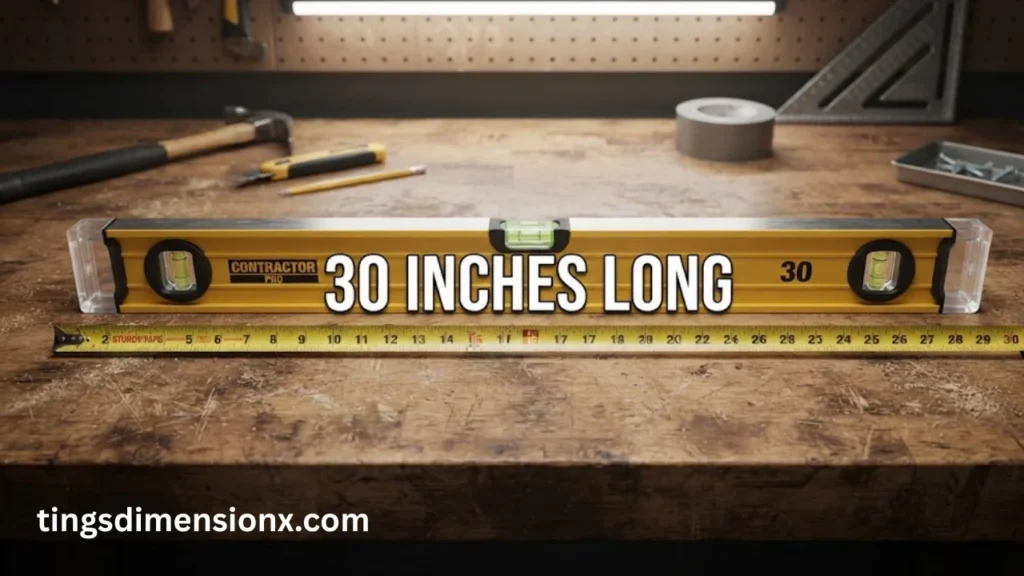
Spirit level (contractor tool) — A 30-inch level is a common size trades use for centering doors and windows during installation.
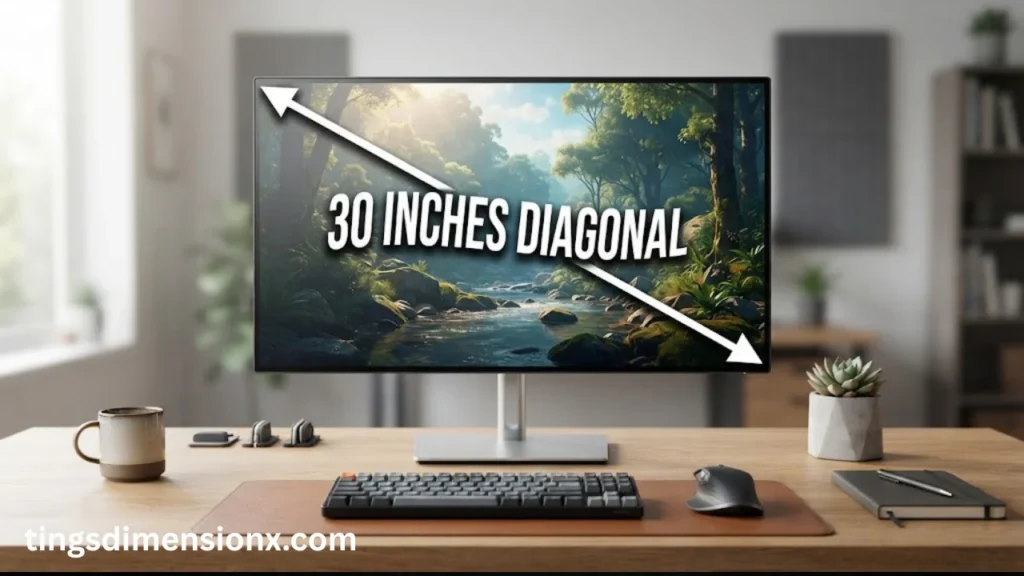
Large computer monitor — A 30-inch monitor, measured diagonally, is a sizable widescreen display, common in creative and multi-monitor desk setups.
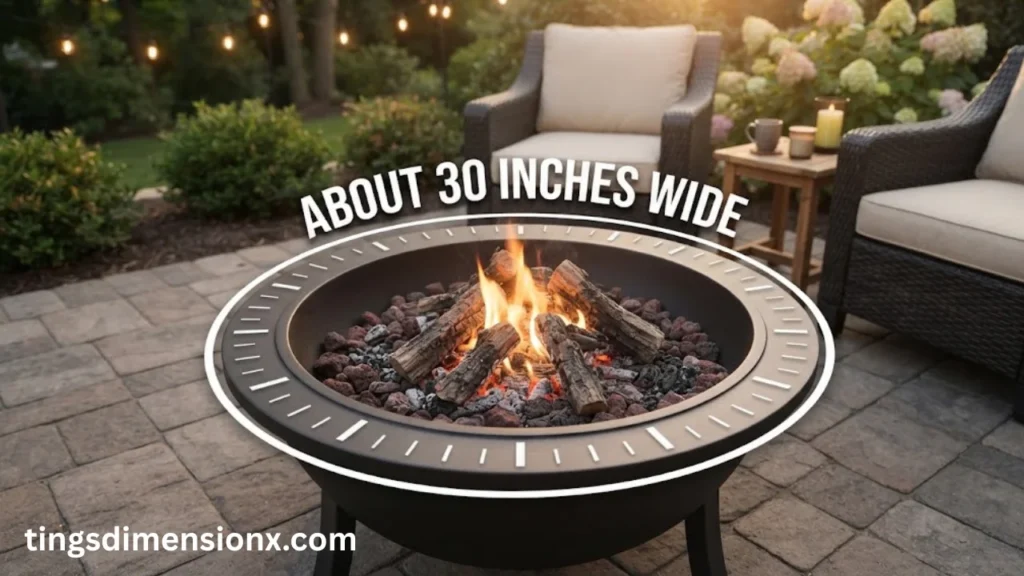
Backyard fire pit — Most standard fire pit bowls measure about 30 inches in diameter, wide enough for a small group without overwhelming a patio.
30 Inches vs Other Common Measurements
Context changes how a length feels. Here’s how 30 inches compares to sizes near it:
| Length | Common Use | How It Feels |
|---|---|---|
| 24 inches | Small side tables, narrow doors | Compact, easy to fit in tight spaces |
| 28 inches | Writing desks, kids’ furniture | Slightly low; arms rest downward |
| 30 inches | Stoves, vanities, bar stools | Balanced; natural reach height |
| 36 inches | Standing counters, front doors | Tall; built for standing tasks |
How to Measure 30 Inches Without a Tape Measure
You don’t need a tool on hand to estimate this length accurately. Try one of these:
- Stretch your arm out from your mid-chest to your fingertips — that’s roughly 30 inches for most adults.
- Stack six standard soda cans on top of each other.
- Line up two and a half school rulers end to end.
- Use your kitchen stove as a permanent reference — it’s almost certainly 30 inches wide already.
FAQs
How big is 30 inches visually?
It’s about the distance from an adult’s hip to mid-thigh, or roughly the width of a standard kitchen stove. Picture two and a half rulers laid end to end.
Is 30 inches 5 feet?
No. 5 feet equals 60 inches, which is double the length of 30 inches. 30 inches is exactly 2.5 feet.
What is 30 inches comparable to?
A kitchen stove’s width, an interior door’s width, a bar stool’s seat height, and a large check-in suitcase’s height are all close to 30 inches.
What item is 30 inches long?
Common examples include a standard oven, a youth baseball bat, a medium dog crate, and a 30-inch computer monitor.
Conclusion
30 inches breaks down to 2.5 feet, or 76.2 centimeters — a length you already encounter daily in your stove, your bedroom doors, and your bar stools. Once you connect that number to something physical, like your own arm span or your kitchen appliances, you’ll never need a tape measure to picture it again.